



For decades, the marketing world neatly compartmentalised brands into two distinct camps: Business-to-Consumer (B2C) and Business-to-Business (B2B). Each had its own rulebook, its own media channels, and its own understanding of “audience.” B2C spoke to individuals, often emotionally, through mass media. B2B addressed organisations, logically, through targeted trade publications and direct sales.
But in today’s complex, interconnected global economy, this rigid dichotomy is dissolving. The very idea that “brand defines audience” is becoming a relic of a bygone era. We are witnessing a powerful resurgence of integrated brand marketing strategies, signifying a return to a truly “through-the-line” strategic approach where the objective is to reach a global, multifaceted audience, regardless of traditional labels.
The B2B Reimagined: Mass Appeal for Enterprise Giants
The most striking evidence of this shift comes from the B2B sector. Gone are the days when enterprise companies hid behind technical jargon and industry-specific events. Today, global B2B powerhouses are stepping into the consumer spotlight, embracing broad-reach media channels that were once the exclusive domain of B2C brands.
Consider the increasing presence of B2B corporates on television and VoD. Companies that build the infrastructure of our digital lives or provide complex logistical solutions are now running prime-time commercials. This includes the likes of Salesforce, Workday, and even companies considered more “traditional” B2B such as Accenture and EY.
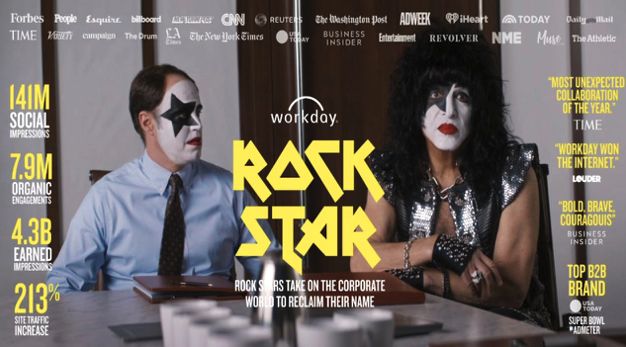
They’re not just targeting CEOs; they’re aiming to build brand awareness, trust, and even an emotional connection with a much broader public – employees, future talent, and even the public who might influence buying decisions indirectly. The goal is to elevate their brand beyond a mere vendor to a household name synonymous with innovation and reliability.
Even more indicative is the phenomenon of more and more B2B companies sponsoring major sporting events and teams. We’ve seen software giants, cybersecurity firms, and industrial conglomerates proudly emblazoning their logos on Premier League football kits or Formula 1 race cars. In fact, when Lando, Max, and the rest of the grid line up in Australia on the 8th of March, a large percentage of advertising real estate will be adorned with B2B logos once reserved for conference halls and direct mail.
This isn’t just about reaching potential business clients at the executive level; it’s about projecting an image of dynamism, cutting-edge technology, and global ambition to millions of viewers worldwide. It’s a sophisticated play to build brand equity, attract top talent, and create an aspirational brand image that resonates far beyond the boardroom.
The B2C Evolution: Precision and Personal Connection
Conversely, B2C companies, particularly in the luxury sector, are increasingly adopting highly targeted, interpersonal, and experience-driven approaches that echo the precision once associated solely with B2B.
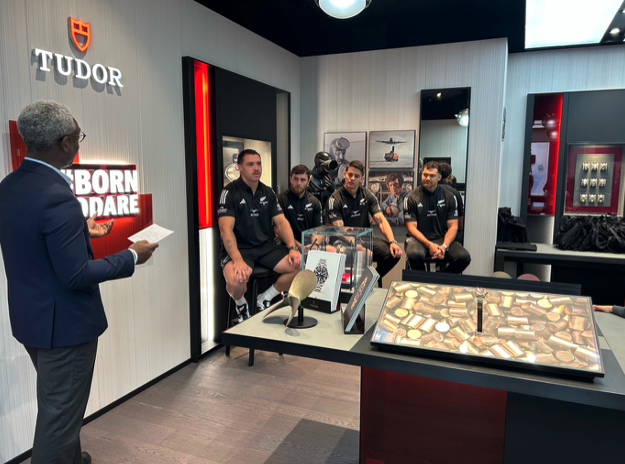
Take Rolex, for example.
While it maintains a global presence and advertises in prestigious publications, its brand-building isn’t solely reliant on mass awareness. Contrary to the rush into F1 sponsorship from many B2B / Tech brands, Rolex has recently stepped away from its headline sponsorship and timekeeping role at the end of the 2024 season.
The experience of acquiring a Rolex is often highly personal, involving relationships with authorised dealers, exclusive events, and a focus on heritage, craftsmanship, and individual achievement. Marketing efforts often involve carefully curated partnerships with ambassadors, bespoke experiences for high-net-worth individuals, and meticulous storytelling that speaks to the wearer’s personal journey and values. This isn’t just selling a watch; it’s inviting customers into an exclusive world, building a deeply personal connection that transcends a simple transaction.
Similarly, other luxury brands are leveraging data and technology to create hyper-personalised marketing campaigns, reaching individual consumers with messages and offers tailored to their specific preferences and purchasing history. This is about building loyalty and advocacy through a one-to-one relationship, a strategy traditionally perfected in the B2B sales cycle.
The Rise of Through-the-Line Strategy
What we are witnessing is not a complete abandonment of traditional marketing channels, but rather a sophisticated integration. Global organisations understand that their “audience” is no longer a monolithic entity. Instead, it’s a complex ecosystem of stakeholders: employees, potential hires, investors, partners, customers (both individual and corporate), regulators, and the general public.
An effective brand strategy today is through-the-line, meaning it strategically utilises both above-the-line (mass media, broad reach) and below-the-line (direct, targeted, personalised) tactics in a synchronised effort. It’s about crafting a consistent brand narrative that resonates across all touch points, whether that’s a global TV campaign or a bespoke client experience.
The common thread is the recognition that human beings are at the heart of every decision. Even in the most complex B2B sales, individuals are making choices, driven by trust, reputation, and perceived value. Similarly, B2C brands understand that while mass appeal creates initial interest, sustained loyalty often comes from a feeling of being understood and valued on an individual level.
Conclusion
The old paradigms of B2B and B2C are increasingly inadequate for describing the nuanced realities of global brand marketing. Successful organisations are no longer asking “Who is our audience – businesses or consumers?” but rather, “How can we create a compelling and consistent brand experience that resonates with all our stakeholders, wherever they are and however they engage with us?”
This evolution marks an exciting return to holistic, integrated marketing where strategy isn’t limited by labels but empowered by a deep understanding of human connection and global reach. It’s a testament to the fact that in the end, all marketing is, ultimately, human-to-human.
To discuss any of the trends in this post, please do reach out to David Price, Partner, Executive Search on [email protected].